Since 2016, Health Factory has partnered with Strasbourg University Hospitals (HUS) to drive grassroots clinical innovation. Through preparatory workshops and the Hacking Health Camp marathon, around 30 functional prototypes have been built over hackathon weekends, with 4 hospital projects selected for structured incubation each year—including Pixacare (now a leading medical photo startup), Senometry, Lud Hopital, and Fat Buster. According to Prof. Carole Mathelin, this process achieves in 6 months what would otherwise take 6 years.
Key Takeaways & Metrics
- Long-standing innovation partnership with Strasbourg University Hospitals (HUS) since 2016.
- ~30 functional prototypes built with clinicians, patients, developers, and UX designers.
- 4 hospital-led projects selected and incubated every year after the hackathon.
- Notable successes: Pixacare (spun out as a digital health startup), Senometry, Lud Hopital, and Fat Buster.
- 12x acceleration: “What we achieved in 6 months thanks to the hackathon would have taken 6 years otherwise” (Prof. Carole Mathelin).
“What we achieved in 6 months thanks to the hackathon would have taken 6 years otherwise.”
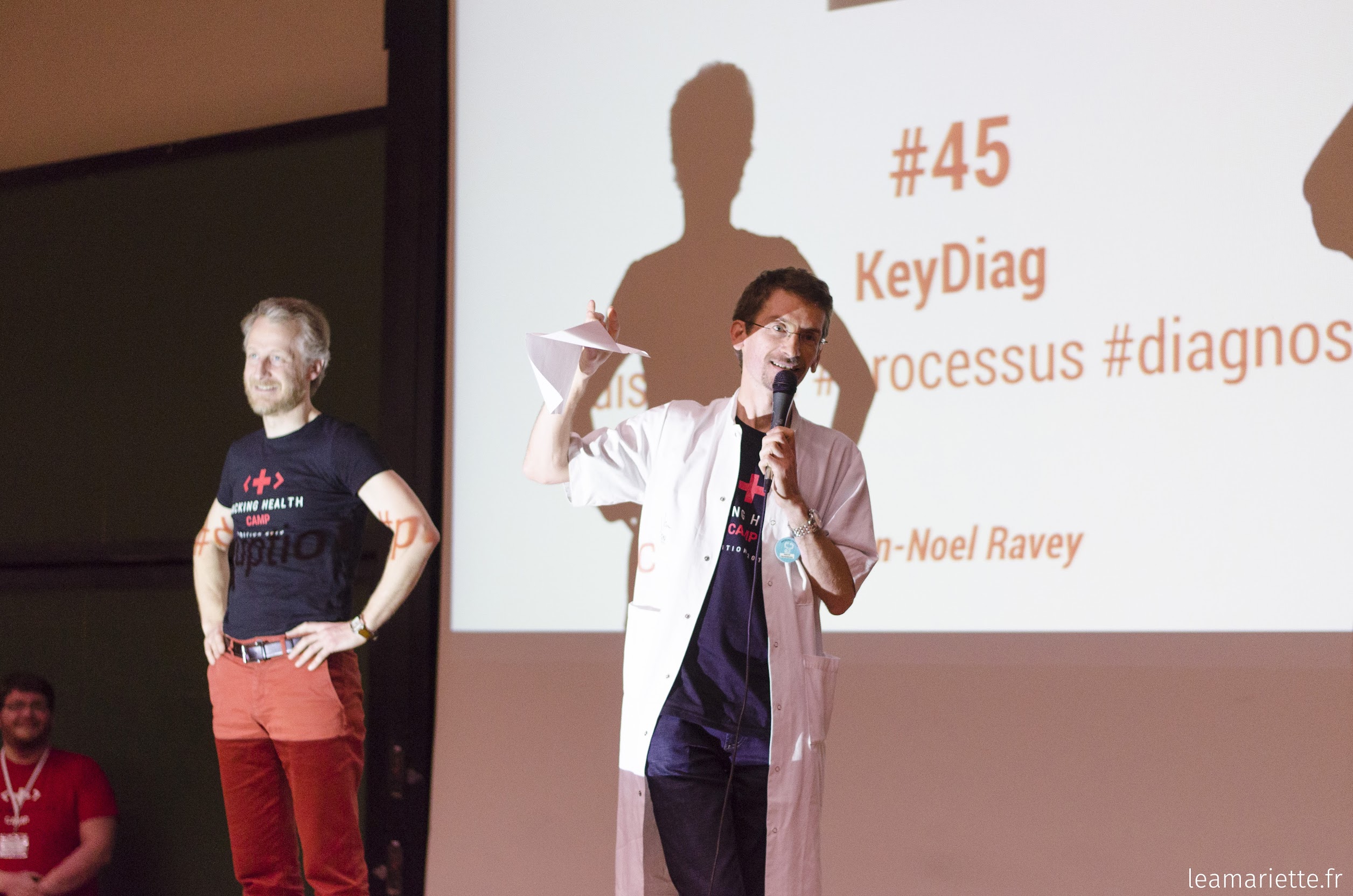
Grassroots Hospital Innovation Since 2016
Since 2016, Strasbourg University Hospitals (HUS) have worked with Health Factory to unlock clinician intrapreneurship and break down silos between hospital departments.
Rather than imposing top-down software, our methodology starts directly from frontline pain points experienced by physicians, surgeons, nurses, and patients.
Preparatory Workshops and Hacking Health Camp Immersion
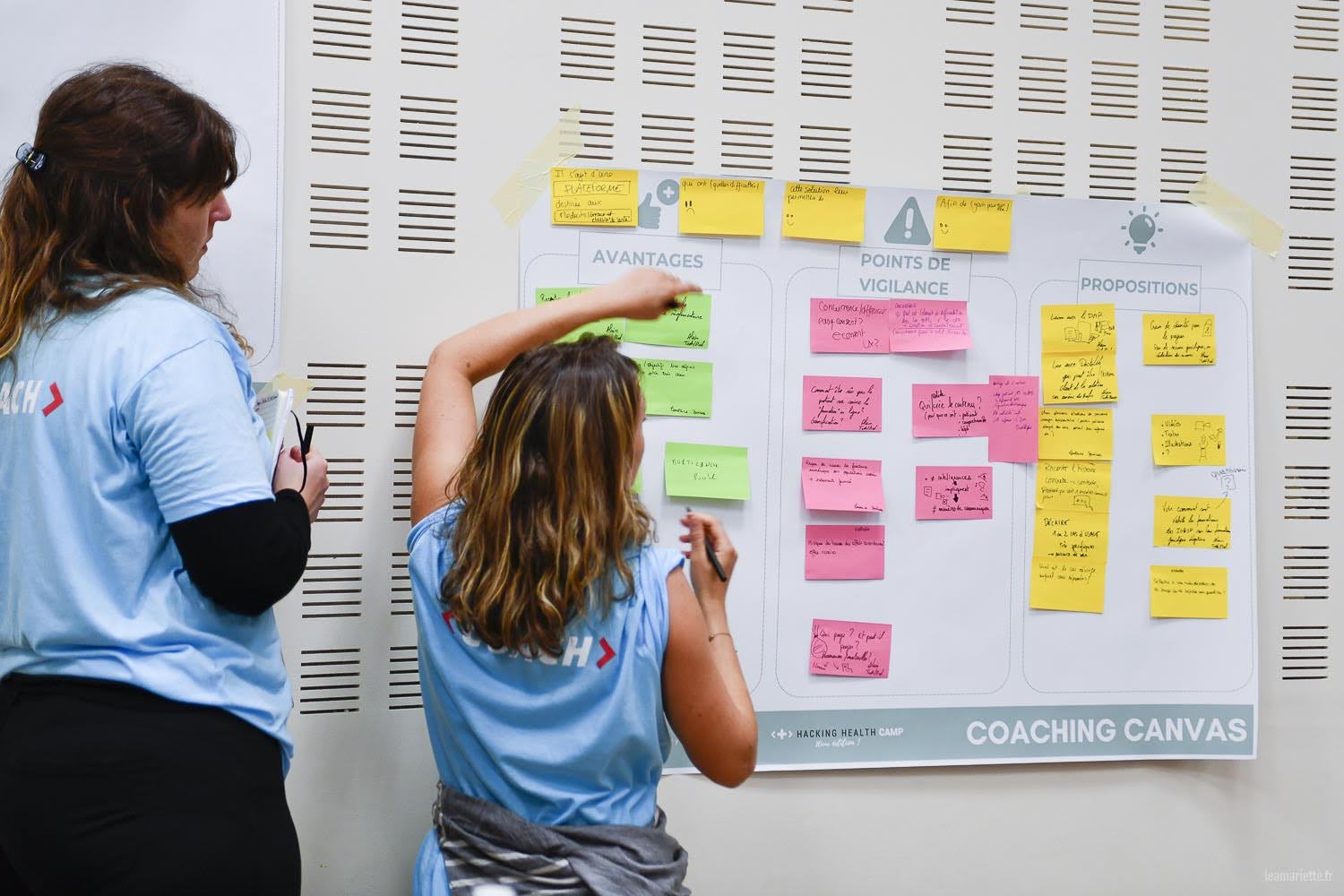
Ahead of Hacking Health Camp in Strasbourg, we run dedicated scoping workshops (“Ideas Shaker” and “Design Maker”) inside the hospital.
These sessions help clinical challenge owners sharpen their problem statement, pitch to 800 international attendees, and recruit a multidisciplinary team for a 54-hour prototyping sprint.
- Around 30 functional prototypes built during hackathon weekends.
- Annual selection of 4 high-impact hospital projects for post-hackathon incubation.
- Tailored post-hackathon support covering advanced prototyping, IP, business modeling, and clinical testing.
From Hackathon Prototypes to Real-World Clinical Solutions
Several flagship projects born from this partnership are now transforming clinical practice:
- Pixacare: originated from a clinical challenge at HUS and scaled into a leading secure medical photography and wound-monitoring startup.
- Senometry: an innovative breast care solution led by Prof. Carole Mathelin’s senology department.
- Lud Hopital: a serious game designed by and for hospital staff to modernize training.
- Fat Buster: a metabolic prevention and patient support program co-designed with clinicians.
Frequently Asked Questions
How can a university hospital accelerate internal innovation?
By combining short scoping workshops for clinical staff, an open health hackathon bringing in external designers and developers, and a dedicated post-hackathon excubation program for the top 4 projects each year.
How much faster is the Health Factory hackathon & incubation approach?
According to Prof. Carole Mathelin at Strasbourg University Hospitals, teams accomplish in 6 months what would typically require 6 years through conventional institutional processes.